Deep-dives on brand growth, digital marketing, analytics, paid media, and everything in between.
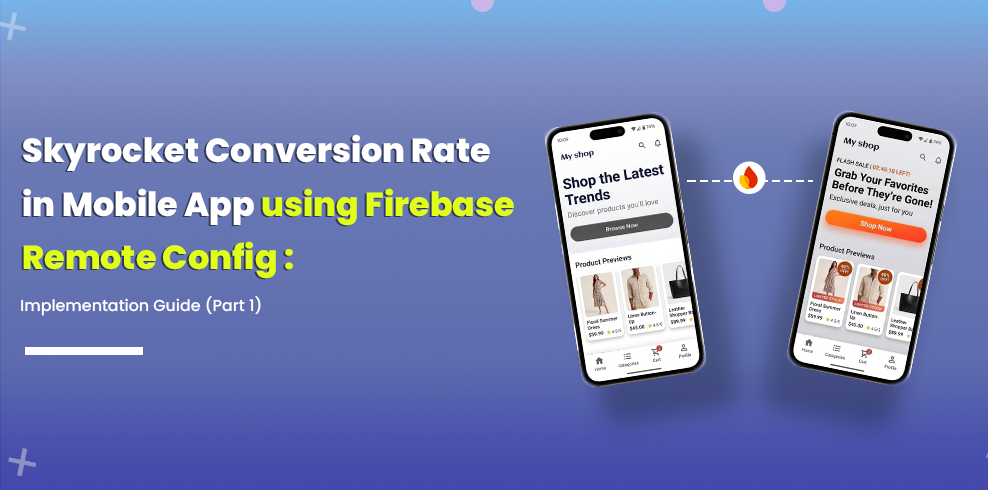
Learn how Firebase Remote Config can help boost mobile app conversion rates by enabling real-time feature updates and experiments without requiring app store releases. This step-by-step guide explains how Remote Config works and how to implement it effectively to improve user experience and engagement.
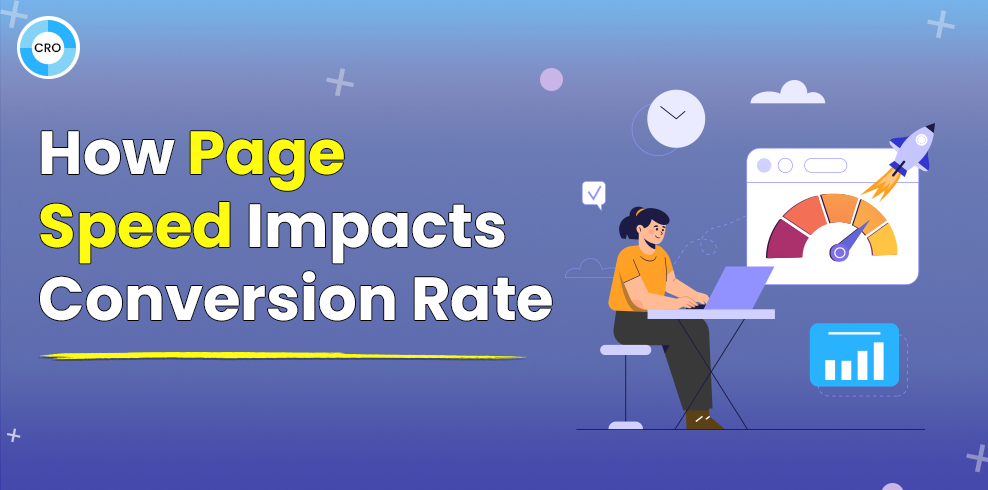
Most businesses think page speed is a technical issue handled by developers. In reality, it is one of the most powerful Conversion Rate Optimization (CRO) levers. You can drive thousands of visitors through SEO and paid ads, but if your website loads slowly, you are silently losing conversions at every stage of the funnel.
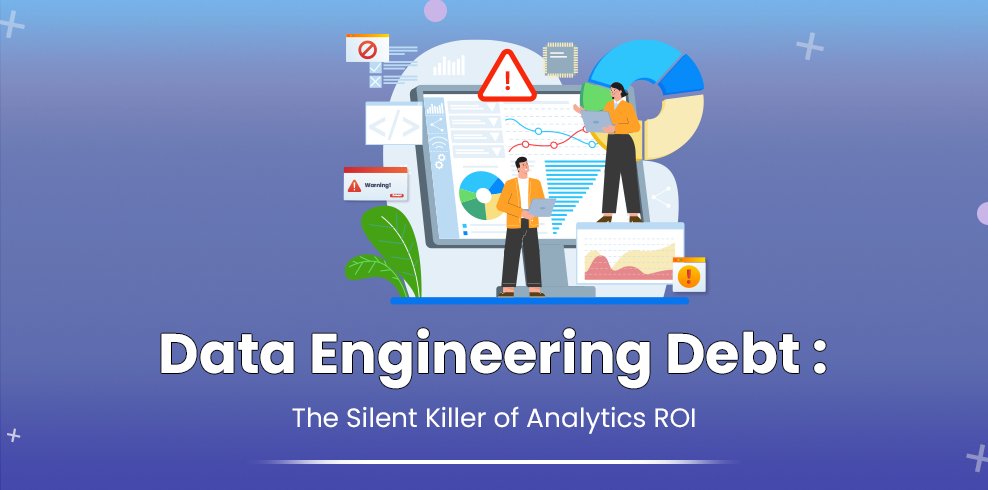
In today’s data-driven world, organizations invest heavily in analytics tools, cloud platforms, and AI-powered dashboards. Yet, many leadership teams are left wondering why business impact doesn’t match the scale of investment. Reports are delayed, dashboards are mistrusted, and analysts spend more time fixing data than analyzing it. The problem often isn’t the analytics layer. It’s something far more subtle — Data Engineering Debt.
Something subtle but powerful has happened inside Meta’s ecosystem over the last 18 months. It didn’t arrive with a dramatic press conference or a dramatic algorithm update headline. It happened quietly in placements, in creative workflows, and in how the system now rewards advertisers who move faster than they used to. Reels is no longer an “emerging format.” It has become the center of gravity. More than half of Instagram ads now run in the Reels format up from roughly 35% in 2024 to over 50% in 2025. Meanwhile, around 46% of time spent inside the Instagram app in the U.S. is now consumed through Reels, up from 37% the year prior.
This post hands you a practical playbook you can test this week. You will learn what Google looks for when it cites sources in its AI summaries, how to make your pages click-worthy even when a summary shows up, and simple tracking steps to prove whether those AI summaries are helping or hurting your site.
Learn how machine learning optimizes ad spend by modeling channel performance, predicting diminishing returns, and maximizing incremental conversions and ROI.
Mixpanel helps track how users interact with your site or app. Connected with Google Tag Manager (GTM), you can set up event tracking without any hustle. Unlike GA4, which focuses on aggregated analytics, Mixpanel emphasizes event‑based, user‑level tracking with deeper cohort and retention insights. In event based, some of the default events getting captured in Mixpanel are Sign Up, Sign In, Page View, Search, Error, Purchase, Conversion. It also provides deep insights into user behavior, retention, and conversion paths. It supports faster decision-making through real-time analytics, flexible event properties, and powerful cohort analysis. Mixpanel allows multiple product integrations same that GA4 allows like Google Ads, Meta Ads.
Digital advertising is transforming quickly — and the traditional approach of fixed, static media budgets no longer delivers. Whether you’re scaling Search campaigns, testing video formats on YouTube, or running multi-channel performance initiatives, your budgeting strategy must keep pace with automation and real-time market dynamics. That’s where AI-powered budget planning makes all the difference — enabling agile, data-backed decisions that drive better results. In this article, we’ll simplify how to plan and manage media budgets in a world run by machine learning. Straightforward guidance. Practical execution.
You are spending money on ads. You are writing endless social media posts. The traffic is flowing. But there is a problem: They aren't buying. The culprit is rarely your product; it’s usually your landing page. In the world of Conversion Rate Optimization (CRO), we have a saying: “Confusion is the conversion killer.” If a visitor has to think too hard about what you do or how to get it, they will leave. Today, we are going to dissect the anatomy of a perfect landing page. We aren't just looking at design trends; we are looking at the psychology that turns strangers into customers.
The Moment Data Learned to Talk Back There was a time when data sat quietly in dashboards flat, passive, waiting for someone to interpret it. Today? Data talks back. Ofcourse in cryptic charts or overwhelming spreadsheets… but in stories. Clear, contextual, human stories.
In this blog, we will cover the importance of Google Ads tagging techniques and how it can help to improve Google ads performance, conversions better and to know usage of tag types better. It is also important to integrate your Google Ads to Analytics tools like Google Analytics 4 (GA4)
Meta Advantage+ Audience is better for scale and automation, while manual targeting is better for control and niche audiences. In 2025, most advertisers should test Meta Advantage+ Audience first, then compare results with manual targeting.