Deep-dives on brand growth, digital marketing, analytics, paid media, SEO, and everything in between.
Discover the most important announcements from Google Marketing Live 2026 and how they impact advertisers. From AI-powered campaign management to advanced measurement and creative tools, learn what’s changing and how to stay ahead.
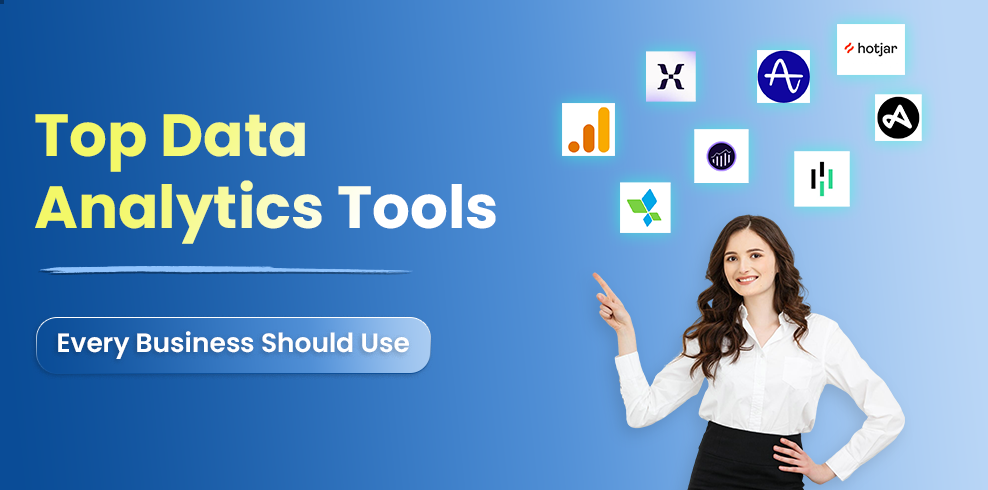
Explore the leading data analytics tools that help businesses understand customer behavior, measure performance, optimize conversions, and make smarter data-driven decisions. Learn how each platform differs and which tools best fit your business needs.
Discover how generative AI is reshaping modern data workflows by accelerating analysis, reporting, and decision-making. Learn how organizations can balance efficiency with control to ensure reliable, responsible, and scalable data operations.
Struggling with duplicate transactions in GA4? This step-by-step guide helps you identify the causes, fix tracking issues, and maintain accurate e-commerce data.
Discover how generative AI is redefining data science by moving beyond prediction to creation. Learn how this shift unlocks new possibilities for insights, automation, and innovation.
Explore the key differences between GEO vs SEO and how generative engine optimization is reshaping AI visibility, brand citations, and search discovery. Learn how to adapt your strategy for AI-driven search engines.
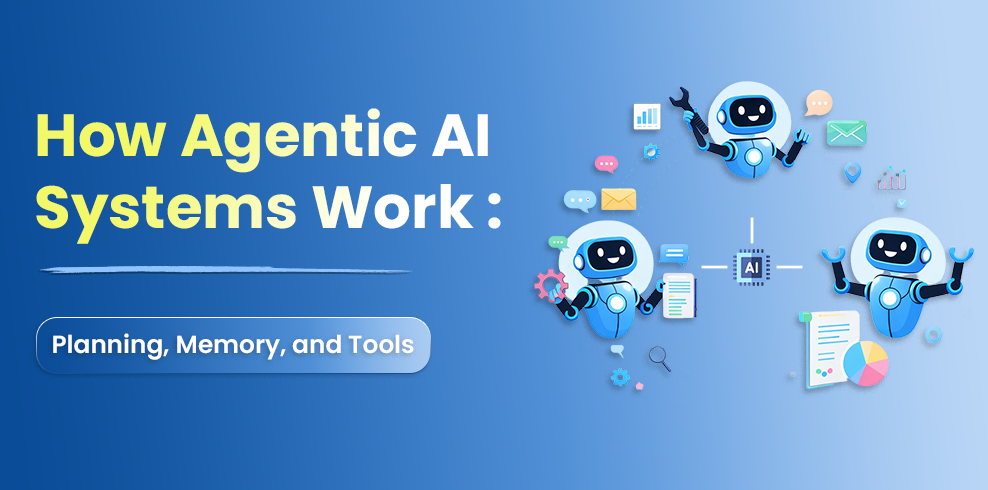
Explore how agentic AI goes beyond prompt-response models by combining planning, memory, and tool use to solve complex problems with greater autonomy and intelligence.
Learn how Firebase Remote Config can help boost mobile app conversion rates by enabling real-time feature updates and experiments without requiring app store releases. This step-by-step guide explains how Remote Config works and how to implement it effectively to improve user experience and engagement.
Most businesses think page speed is a technical issue handled by developers. In reality, it is one of the most powerful Conversion Rate Optimization (CRO) levers. You can drive thousands of visitors through SEO and paid ads, but if your website loads slowly, you are silently losing conversions at every stage of the funnel.
In today’s data-driven world, organizations invest heavily in analytics tools, cloud platforms, and AI-powered dashboards. Yet, many leadership teams are left wondering why business impact doesn’t match the scale of investment. Reports are delayed, dashboards are mistrusted, and analysts spend more time fixing data than analyzing it. The problem often isn’t the analytics layer. It’s something far more subtle — Data Engineering Debt.
Something subtle but powerful has happened inside Meta’s ecosystem over the last 18 months. It didn’t arrive with a dramatic press conference or a dramatic algorithm update headline. It happened quietly in placements, in creative workflows, and in how the system now rewards advertisers who move faster than they used to. Reels is no longer an “emerging format.” It has become the center of gravity. More than half of Instagram ads now run in the Reels format up from roughly 35% in 2024 to over 50% in 2025. Meanwhile, around 46% of time spent inside the Instagram app in the U.S. is now consumed through Reels, up from 37% the year prior.
This post hands you a practical playbook you can test this week. You will learn what Google looks for when it cites sources in its AI summaries, how to make your pages click-worthy even when a summary shows up, and simple tracking steps to prove whether those AI summaries are helping or hurting your site.